 Türkçe
 English
 Deutsch
 Русский
 Español
 Français
 العربية
 فارسی
فارسیSodium Silicate Quartz
Sodium silicate (water glass) production is based either on melting quartz sand with soda ash at high temperature or on dissolving it in a sodium hydroxide solution in an autoclave. The chemical purity and grain size distribution of the quartz used in this process directly determine the reaction yield and the clarity of the finished product. Seyman Maden washes and dries the raw material extracted from its own mine and supplies it to sodium silicate producers as granular quartz in controlled fractions.
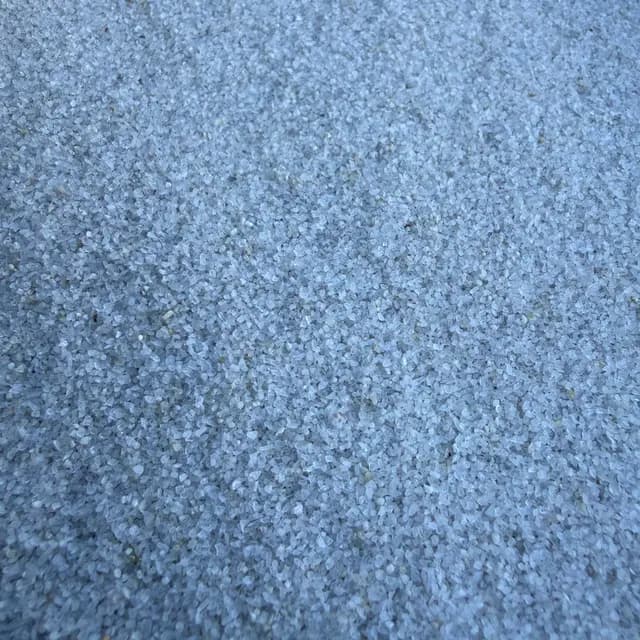
Sodium silicate is a family of compounds formed by the combination of sodium oxide and silicon dioxide in various ratios, known in industry as water glass. In the dry process, quartz sand and soda ash are melted together in a melting furnace; the resulting glassy mass is cooled and crushed, then dissolved in water under pressure to be converted into liquid sodium silicate. In the wet process, quartz is reacted directly with a sodium hydroxide solution in an autoclave. In both routes, the quality of the silica source is the main factor determining the color and clarity of the product and the amount of undissolved residue.
A high SiO₂ content and low impurities are the primary expectations from the quartz used in sodium silicate production. Iron oxide causes coloring of the product, while aluminum and alkaline earth compounds can reduce solubility and lead to a build-up of undissolved residue in the reactor. Seyman Maden's products pass through washing, drying and screening lines and are processed to values of SiO₂ above 98% and Fe₂O₃ below 0.1%. Keeping the clay and dust content low also reduces material losses caused by dusting during furnace feeding.
Grain size is the second critical parameter affecting melting or dissolution time. Excessively fine material creates carry-over and dusting losses during furnace feeding, while grains coarser than necessary cannot react fully and remain in the process as undissolved quartz. Sodium silicate plants therefore prefer to work with narrowly graded, homogeneous granular quartz fractions. Alongside controlled fractions such as 0.3-0.7 mm and 0.7-1.2 mm, Seyman Maden also supplies other ranges according to the furnace type and process method of the plant, together with a sieve analysis.
Main Applications
- Liquid sodium silicate (water glass) production
- Solid sodium silicate and cullet production
- Raw material for detergents and cleaning chemicals
- Silica gel and precipitated silica production
- Water glass binder in foundries (CO₂ process)
- Paper, textile and adhesive industries
- Zeolite and catalyst production