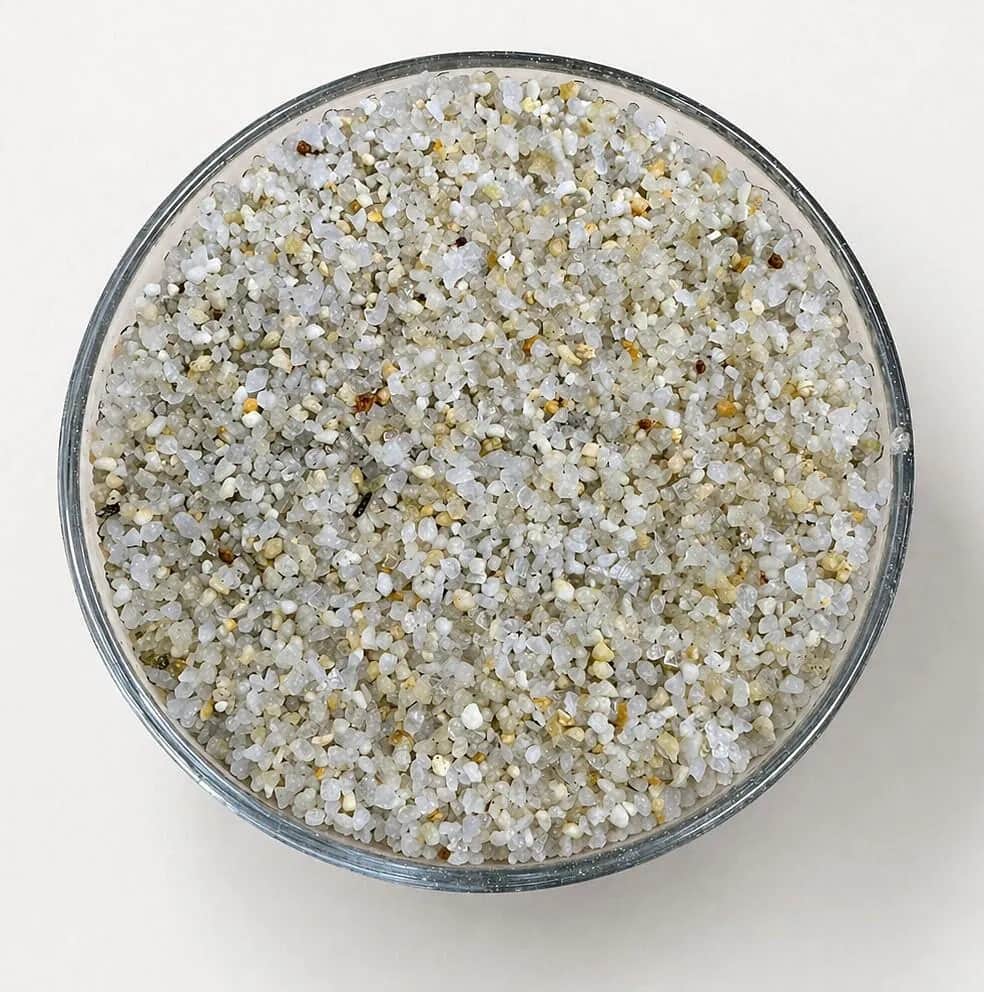
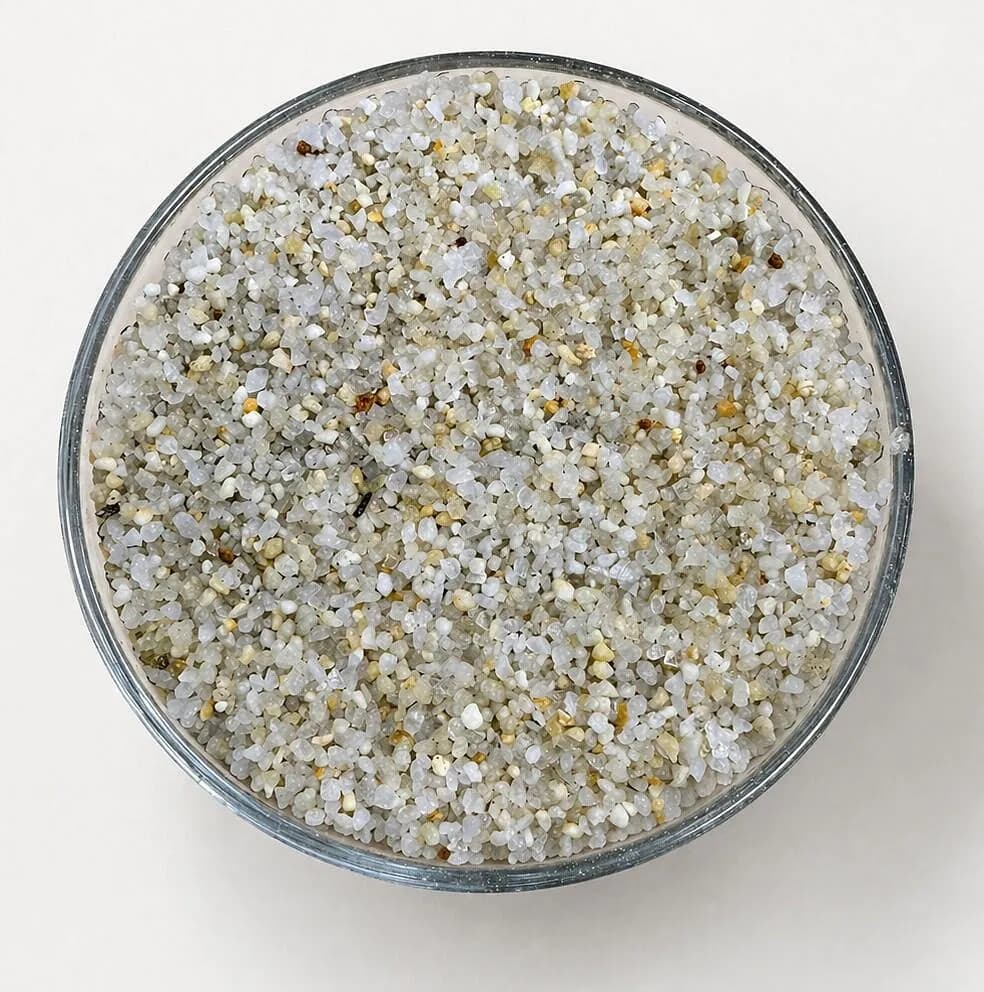
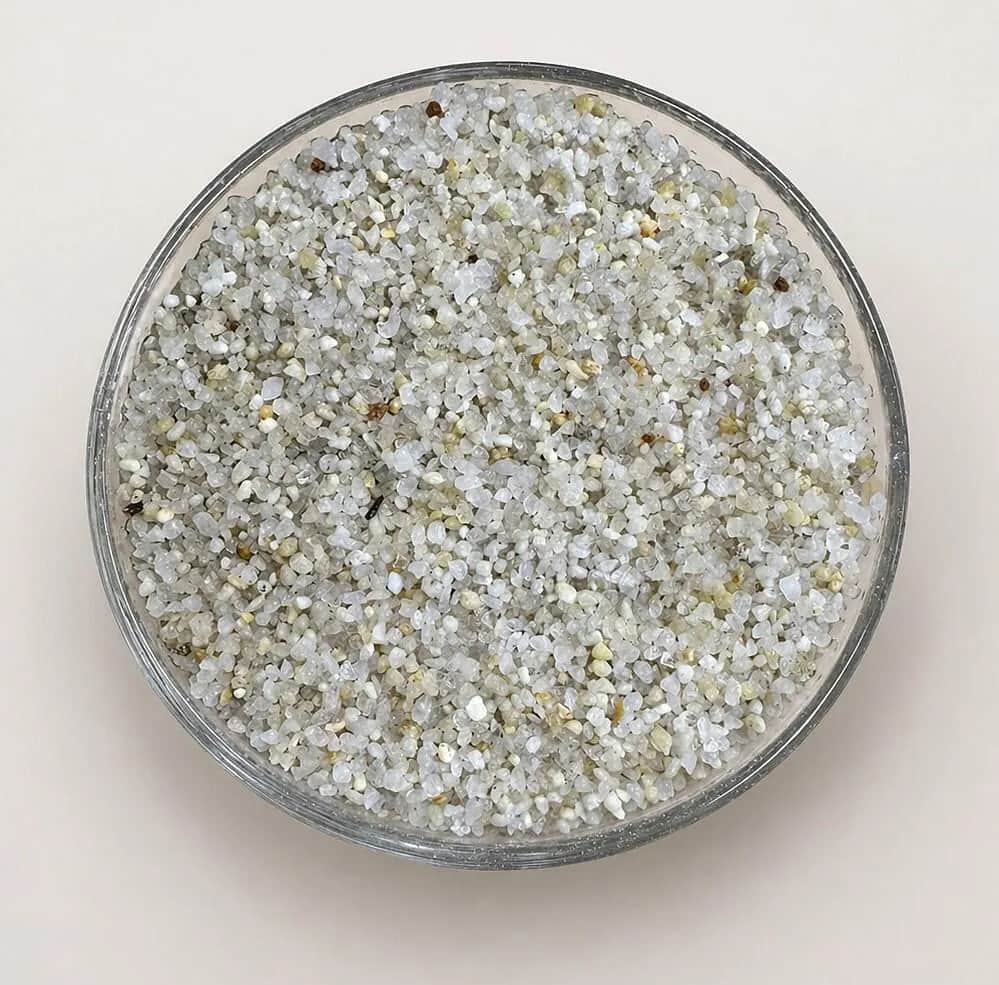
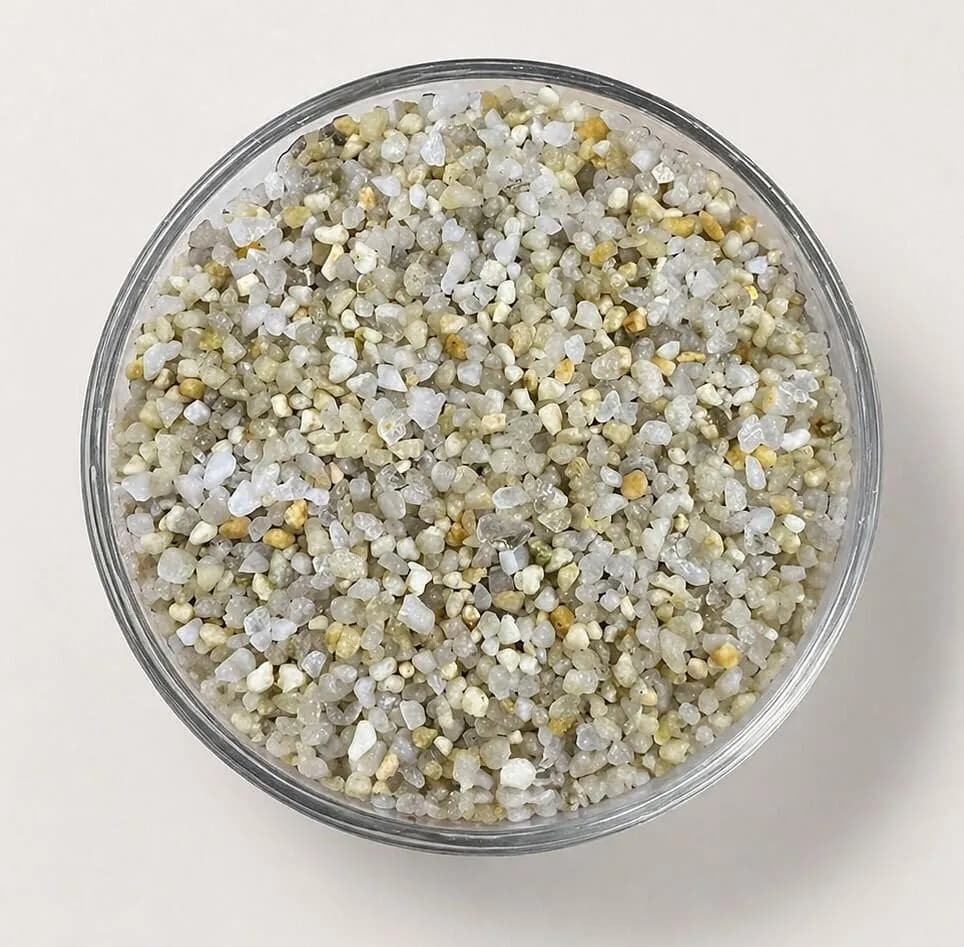
What is silica sand? Everything you need to know about its chemical structure, physical properties, types and production process. Its differences from quartz sand examined in detail.
Where is silica sand used? Learn in detail about its uses in the filter, foundry, sandblasting, equestrian arena, precast, epoxy, traction sand and GRP pipe sectors.
What is quartz sand, how does it differ from silica sand, and where is it used? A detailed guide to the properties, prices, and types of quartz sand.
Where is silica sand found and in which cities of Turkey is it extracted? Detailed information about the silica sand reserves of Tekirdağ, Bilecik, Eskişehir, and Şile.
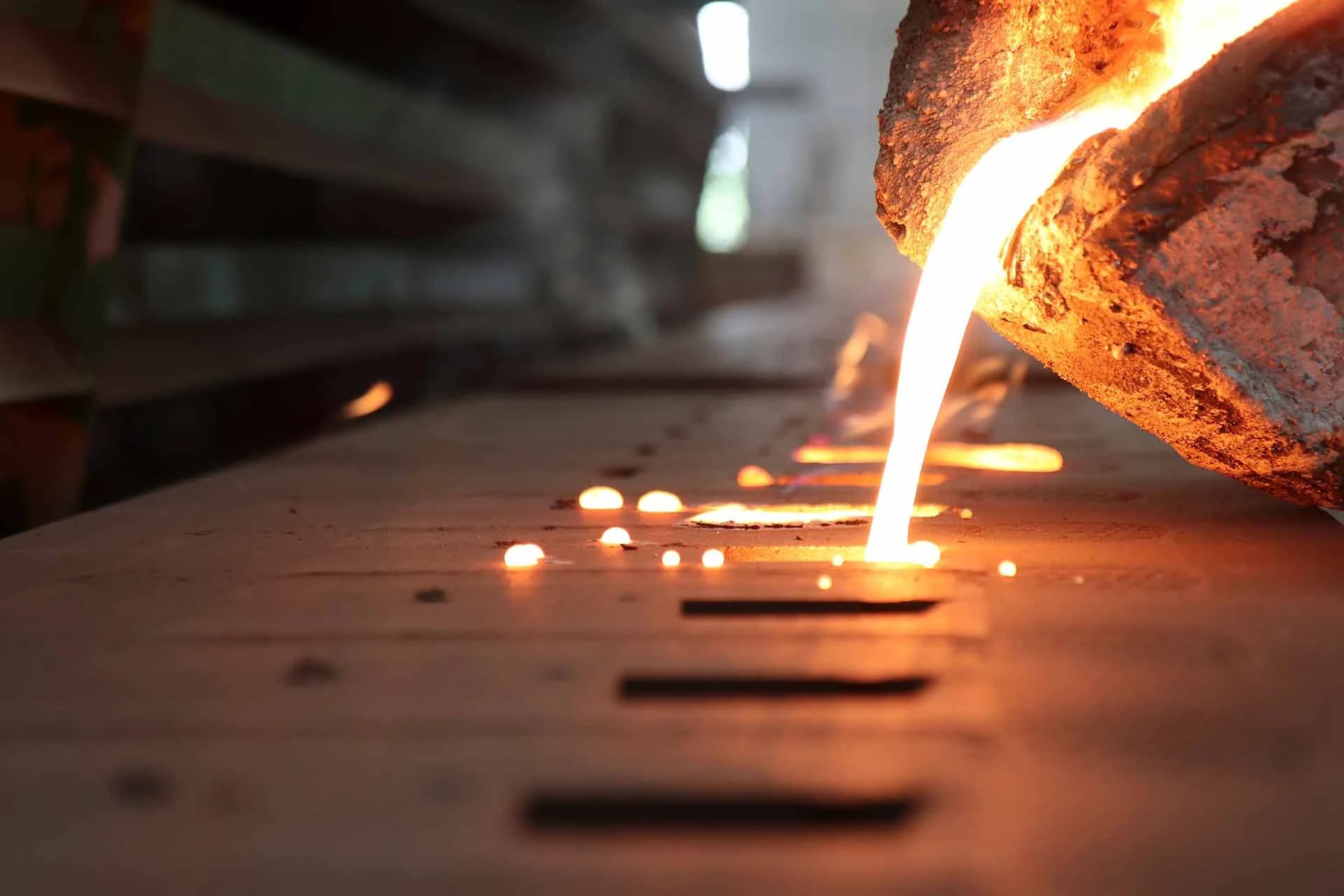
What is foundry sand, how is it prepared, and what are its types? Prices and properties of foundry sand used for iron, aluminum, and brass casting.
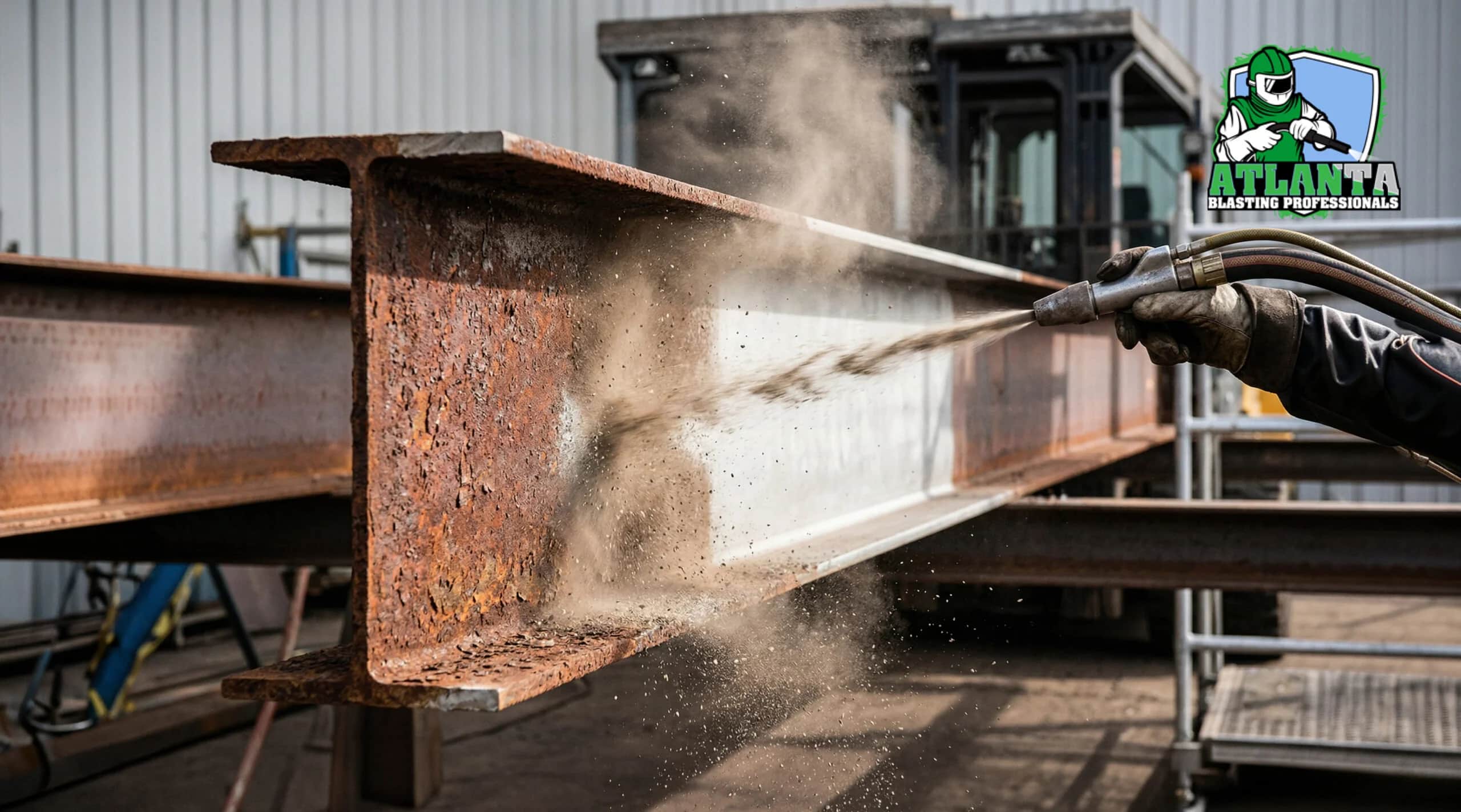
What is blasting sand, and which grain size is used for which surface? Types of blasting sand, prices, and a selection guide are covered in this article.
Artificial turf sand is washed silica sand spread beneath artificial grass surfaces and between the fibers. The right grain size, cleanliness, and spreading technique directly affect the pitch's performance.
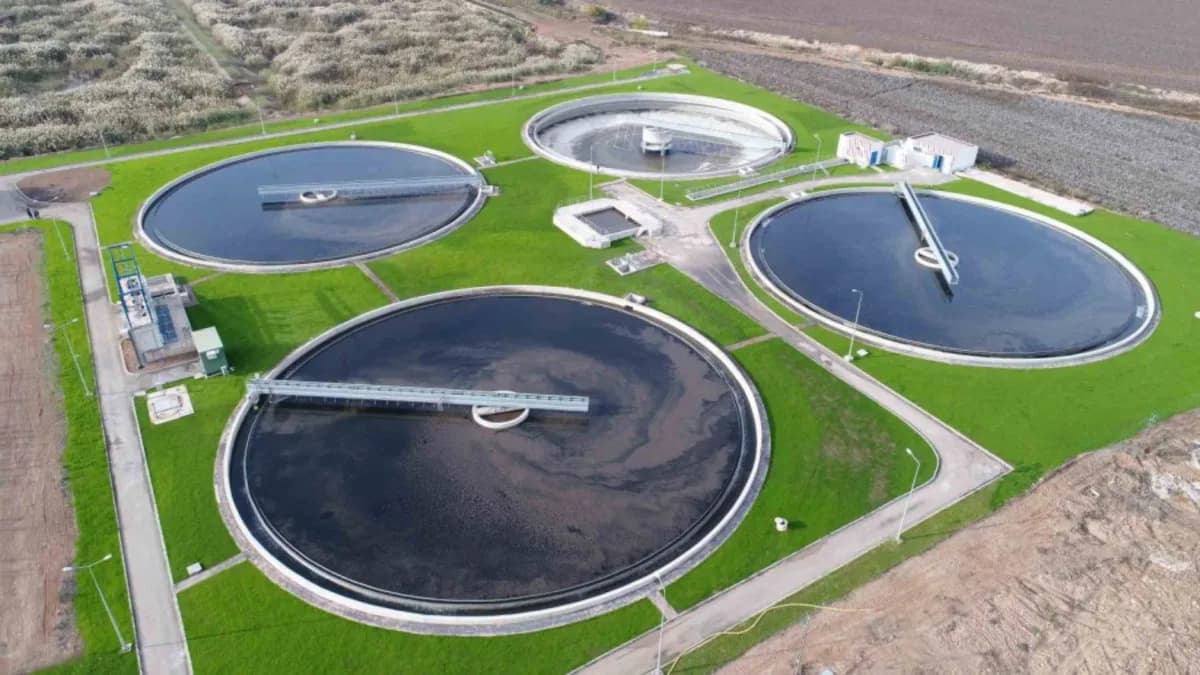
The heart of water treatment systems is undoubtedly the filter units. The efficiency of these units depends directly on the quality of the filter materials used within them.
TS EN 12904 is the European and Turkish standard established for silica sand and filter gravel used in drinking water treatment. Using certified filter material protects public health.
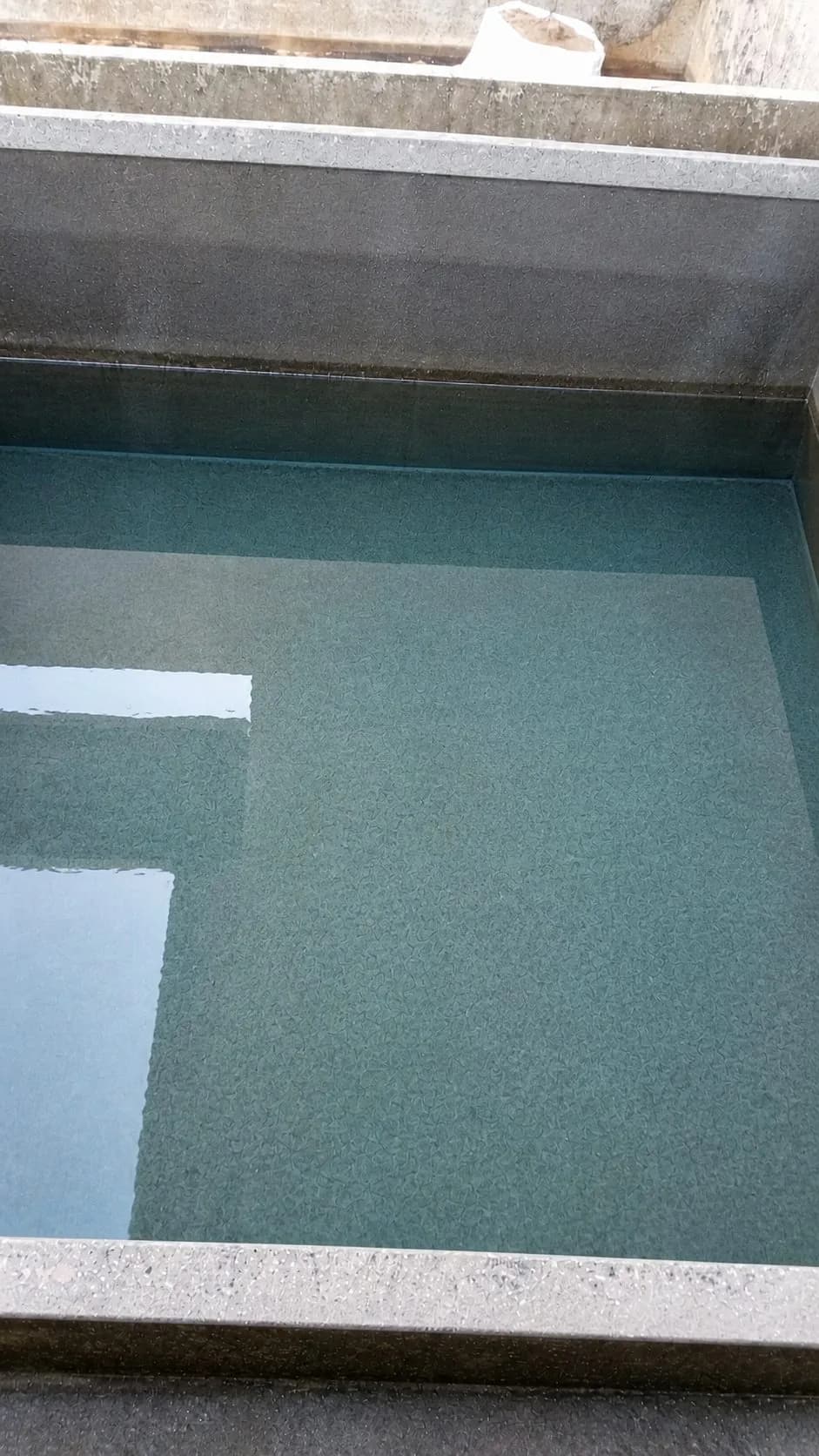
Pool filter sand is washed silica sand that filters the water in sand-filter pool systems. The right grain size, the right amount, and timely replacement determine the cleanliness of your pool water.
Properly produced play sand is safe for children. Safe play sand is silica sand that is double-washed, sieved, and free of dust and clay.
In epoxy floor coating, silica sand increases the surface's mechanical strength and its resistance to abrasion and impact, provides slip resistance, and optimizes epoxy consumption.
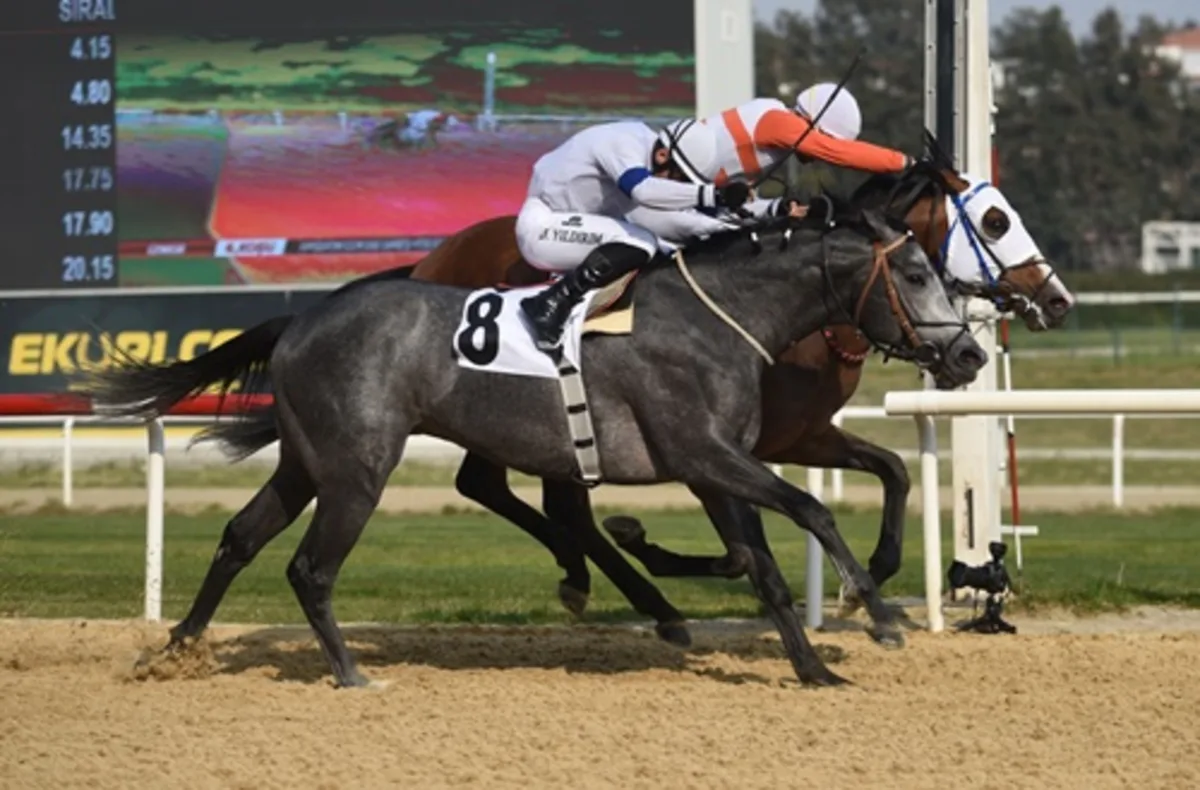
In equestrian riding arenas, the footing directly affects the horses' joint health and performance. A properly designed arena floor provides drainage, absorbs impact, and lasts for many years.
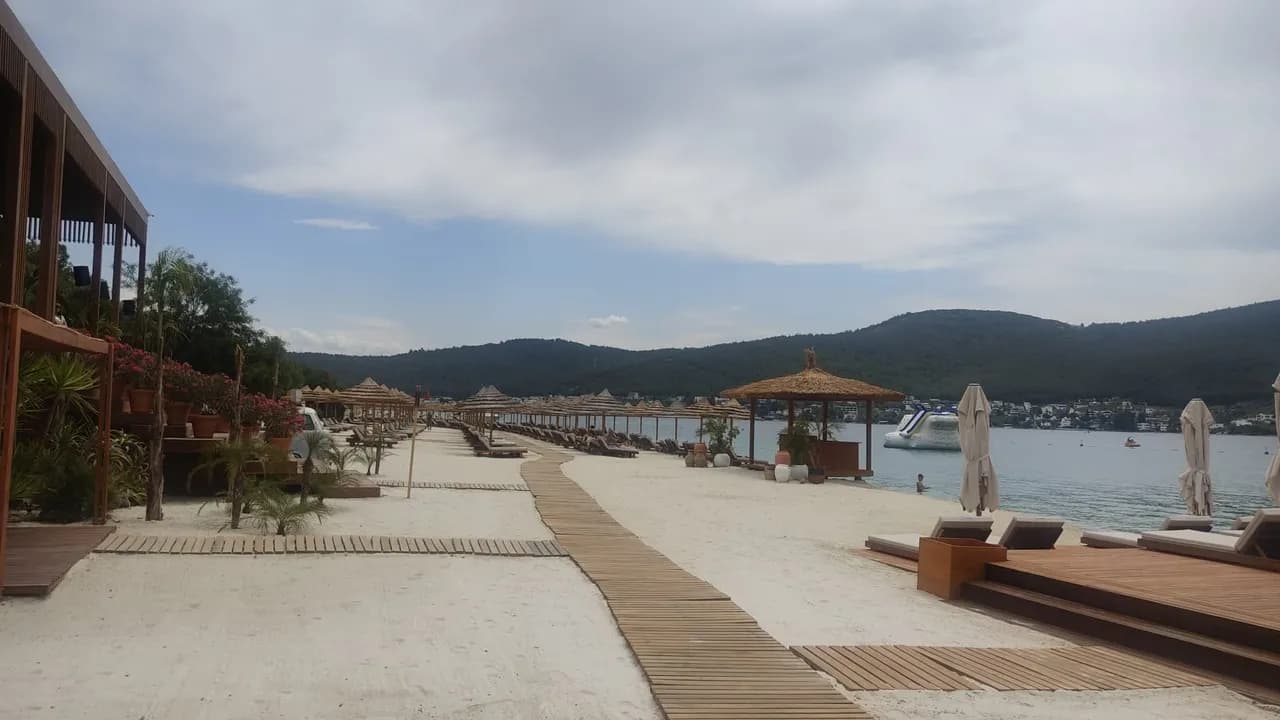
Artificial beach sand is washed and screened silica sand used to create a natural beach appearance in hotel, holiday resort, and landscaping projects.
Facade molding sand is washed silica sand used in the production of exterior facade moldings and decorative architectural elements. The quality of the sand determines the surface smoothness and durability of the molding.
In construction chemicals, silica sand is used as a filler and performance-enhancing aggregate in cement-based products. A controlled grain size determines the quality of products such as mortar, plaster, and screed.
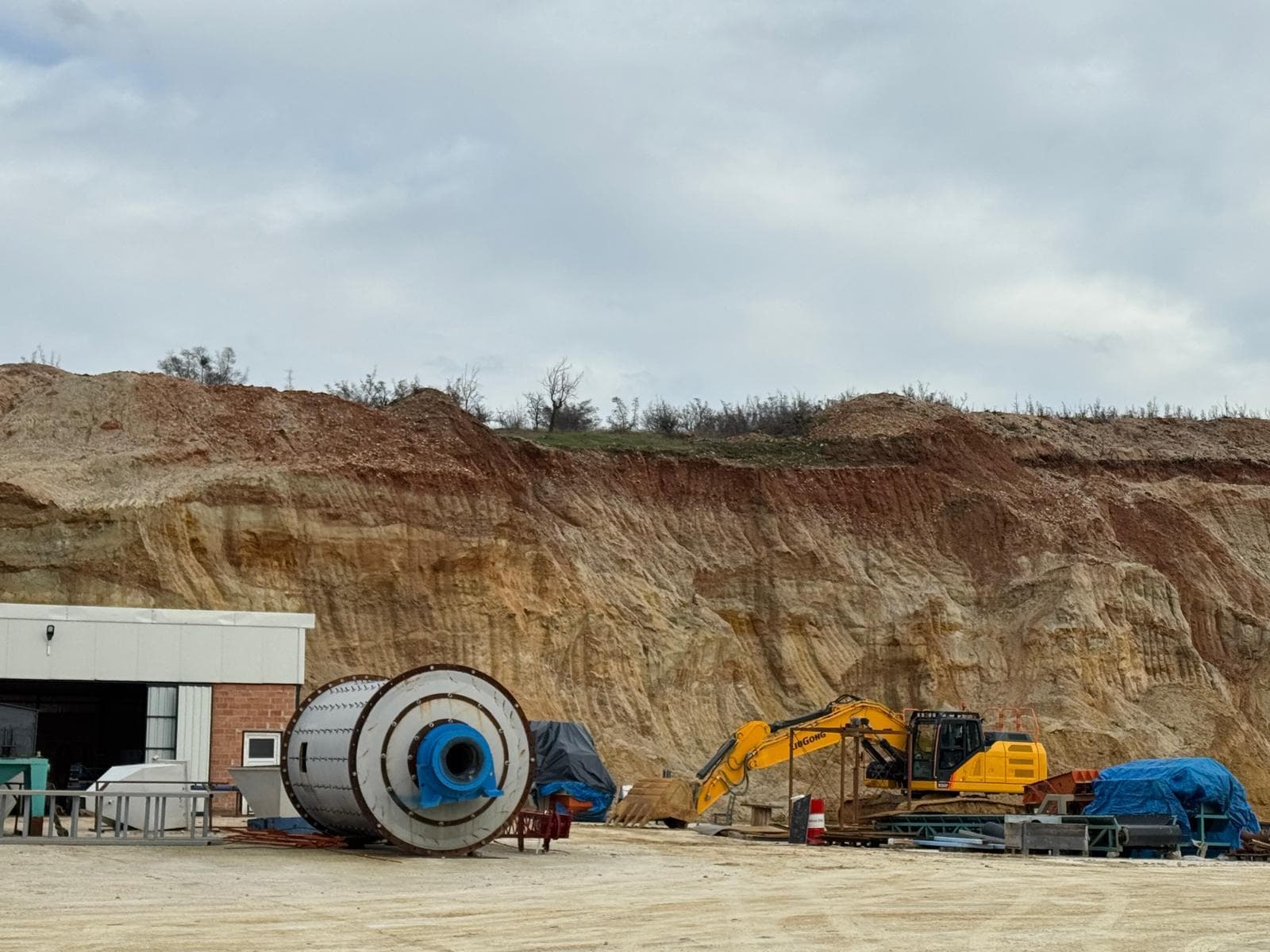
The Thrace region is the geography with Turkey's richest silica sand reserves. As Seyman Maden, we produce from our own mine at our facilities in Tekirdağ, Çatalca, and Kırklareli.
Istanbul is Turkey's densest construction and industrial market. Our silica sand plant in Çatalca ships from inside the city, cutting both delivery time and freight cost.
Kırklareli is where our production begins: the raw material comes from our own sand quarry. This short chain from quarry to plant is the basis of batch consistency and cost advantage.
AFS is the single most decisive technical criterion for foundry sand. We have put the target range, the GFN measured in our laboratory and the micron equivalent of all ten grades we produce into one chart.
A sieve analysis is the identity card of a sand. But without knowing what the columns mean, comparing two suppliers' sands is impossible. Let us read the report line by line.
Not every application needs the highest purity. Choosing a higher SiO₂ level than necessary raises cost; choosing too low causes problems in production. Let us clarify the difference between the grades.
Iron oxide is the component present in the smallest quantity in silica sand but with the most visible effect. A difference of a few parts per thousand changes the colour of glass, the whiteness of the sand and its refractory behaviour.
 Türkçe
 English
 Deutsch
 Русский
 Español
 Français
 العربية
 فارسی
فارسی