 Türkçe
 English
 Deutsch
 Русский
 Español
 Français
 العربية
 فارسی
فارسیFilter and Treatment Sand
Filter and treatment sand is a high-purity filtration material used in water treatment systems, produced from natural quartz or silica minerals. Manufactured in accordance with the TS EN 12904 standard, our filter silica sand products are produced to meet the chemical and physical safety criteria required for filter materials used in drinking water treatment systems.
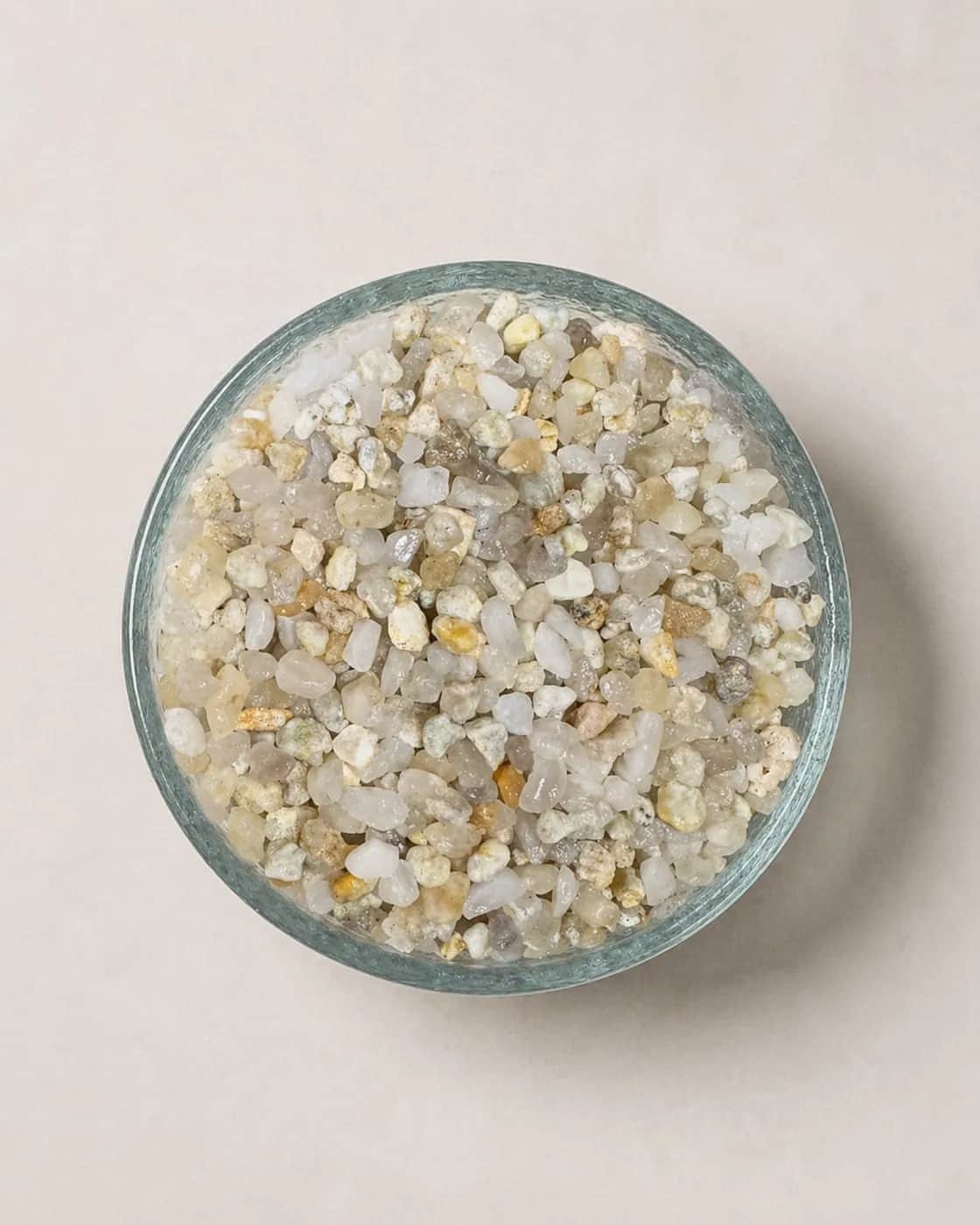
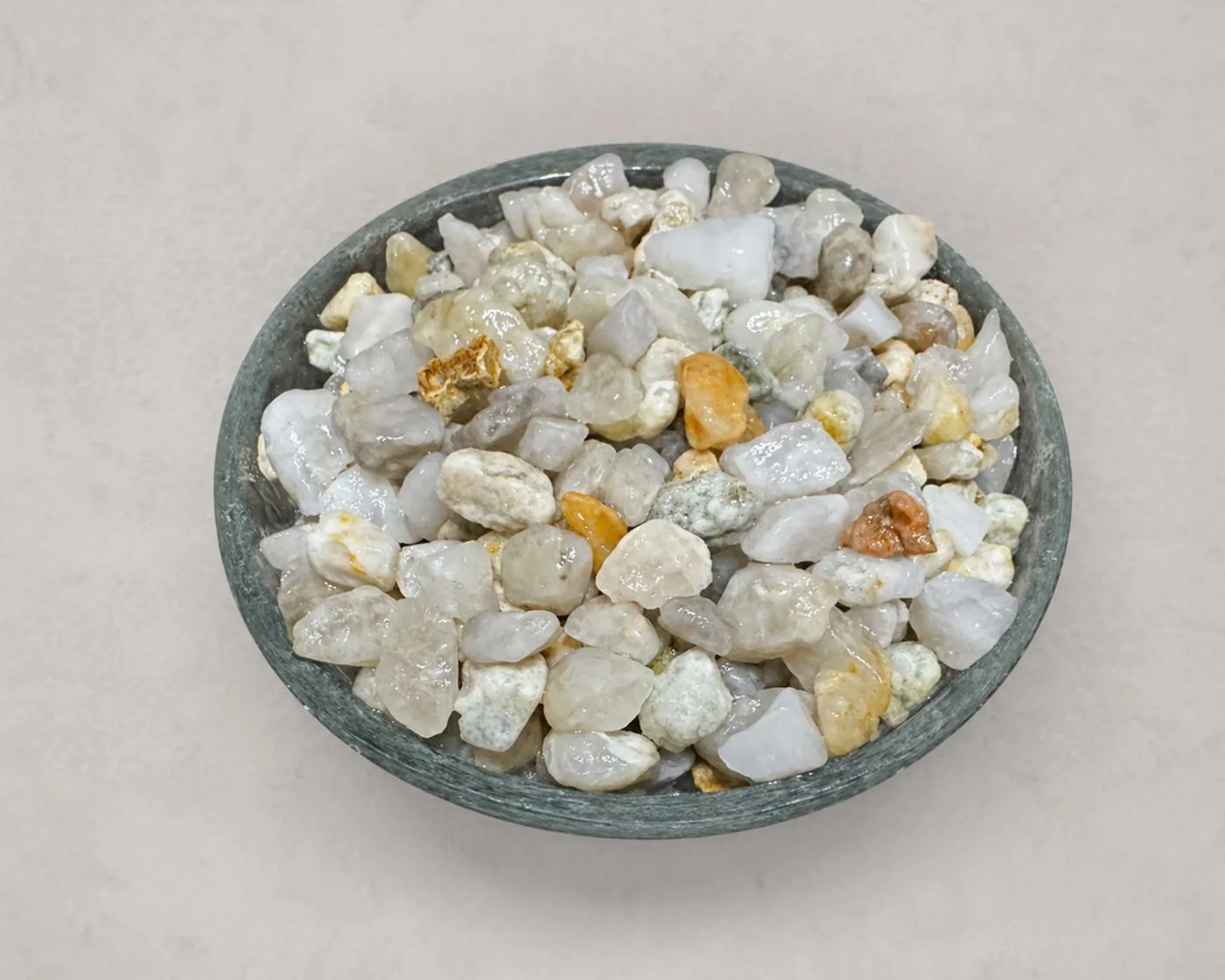
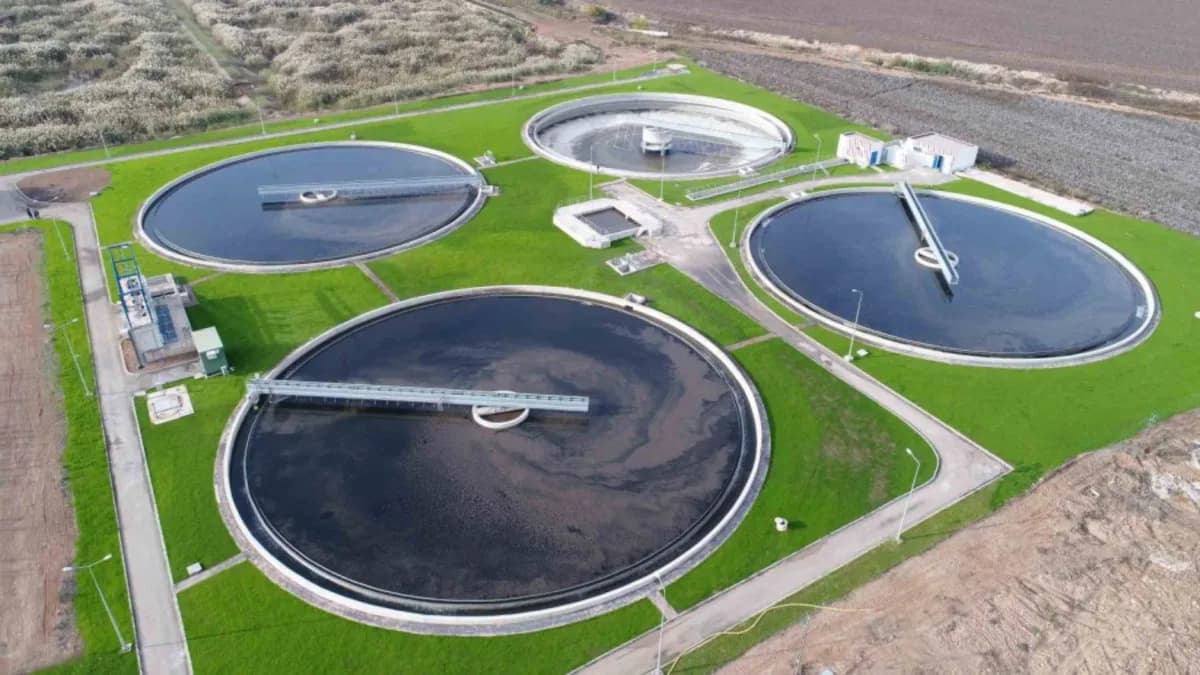
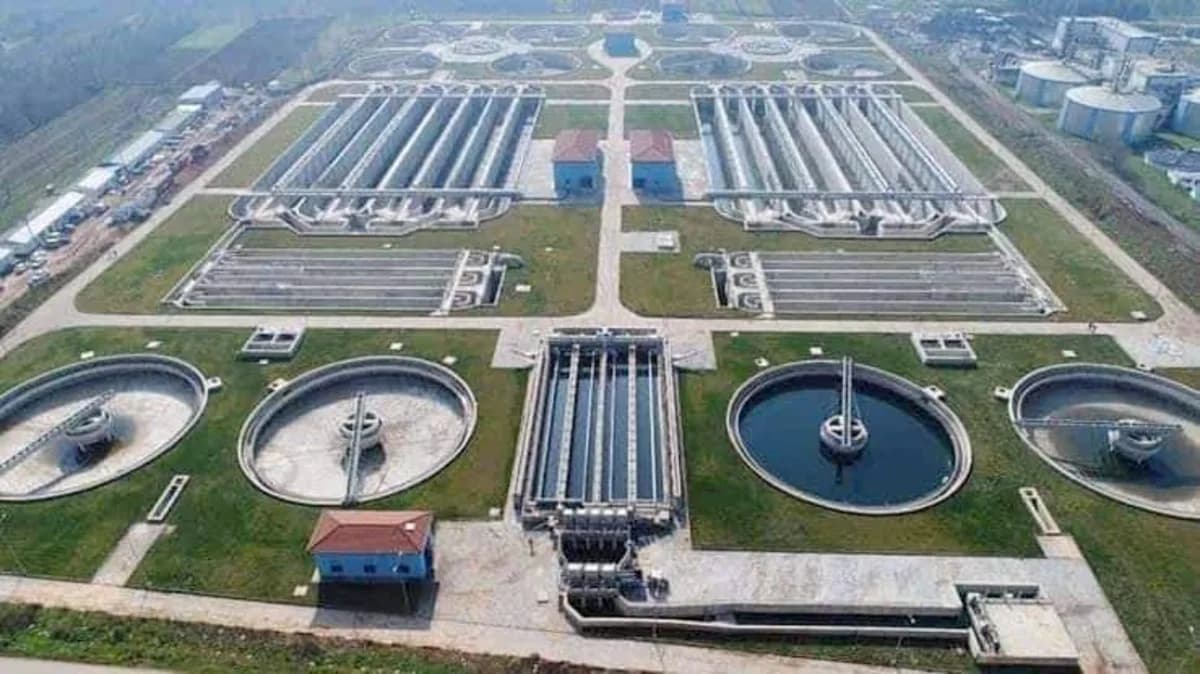
Sand filters are high-efficiency units designed to remove water-insoluble particles, suspended solids of various sizes and turbidity. The quartz sands used in treatment plants show high abrasion resistance, are durable against mechanical damage, and undergo no dissolution or mass loss in acid tests.
Both rapid and slow sand filter systems are used in water treatment plants. Rapid sand filter systems generally use filter sand in the 0,800–1,200 mm range and are equipped with nozzle and backwash systems. In slow sand filter systems, filter sand of 0,300–0,500 mm is laid to a height of approximately 1 metre over support layers of 15–25 mm gravel, 5–15 mm gravel, 3–5 mm and 1–3 mm.
The correct selection of filter materials directly affects the quality of the treated water. In multi-layer filtration systems, filter sand, filter gravel, filter anthracite and filter garnet are used together to achieve maximum filtration efficiency.
Effective Size (ES) and Uniformity Coefficient (UC)
Two values define a filter sand, and they are what most specifications ask for. The effective size (ES) is the sieve opening through which 10% by weight of the sample passes; it governs how fine a particle the filter can retain. The uniformity coefficient (UC) is the ratio of the opening passing 60% to the ES, and shows how narrow the distribution is. A low UC means the grains are close to one another in size, which gives a more even void structure in the bed, a more predictable pressure drop and a more uniform expansion during backwash. The fraction range alone (for example 0,5-1,0 mm) does not describe these two values — two sands within the same range can have different ES and UC. Share the ES and UC targets in your specification and we will state which of our fractions meets them and send the analysis of the batch to be shipped.
How the Sand Differs in Rapid and Slow Sand Filters
The two systems rest on different physics. In a rapid sand filter the water passes at high velocity and retention is essentially mechanical; coarser sand is therefore used, pressure drop rises as the bed clogs, and the bed is cleaned by backwashing. Because the sand must expand evenly during backwash, a narrow distribution and low dust content matter; fine material leaves the bed during backwash and shows up over time as sand loss. In a slow sand filter the water passes at very low velocity and cleaning is largely performed by the biological layer that forms on the surface. Finer sand is used here and there is no backwash; the surface is scraped and renewed at intervals. Different fractions from the same product family suit both systems — what decides is the filtration rate in your design and the required outlet quality.
Support Layer and Multimedia Beds: Why Density Matters
A filter bed is not made of a single material. At the bottom, filter gravel is laid over the drainage system in grades running from coarse to fine; its job is to hold the filter media and distribute water evenly across the bed section. In multimedia beds the materials are ordered by density, and this is the essential point: anthracite has a density of 1,45-1,55 g/cm³, silica sand 2,65 g/cm³ and garnet 4,0-4,2 g/cm³. During backwash the bed expands and the materials appear to mix; when washing stops, the light anthracite settles on top, the sand in the middle and the heavy garnet at the bottom. Thanks to this ordering, water first leaves coarse particles in the open upper layer and then progressively finer ones in the lower layers — giving a longer run time and better outlet quality than a single-media bed.
Main Applications
- TS EN 12904 certified production
- Drinking water treatment plants
- Wastewater treatment plants
- Boiler filters
- Swimming pool filtration systems
- Rapid and slow sand filter systems
- Industrial process water treatment