 Türkçe
 English
 Deutsch
 Русский
 Español
 Français
 العربية
 فارسی
فارسی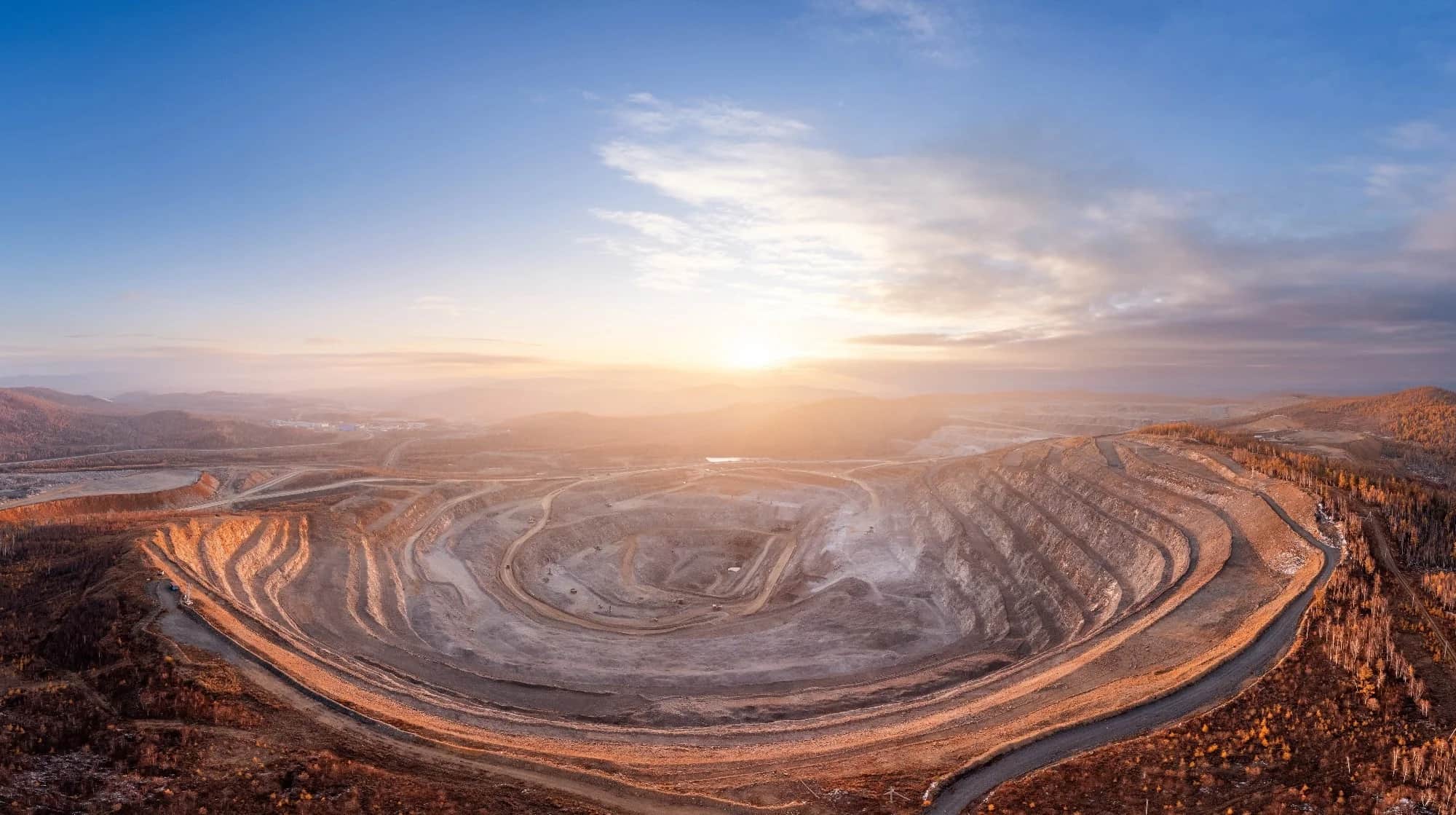
Silica sand (SiO₂) is one of the most widely occurring minerals worldwide. In nature it forms as quartz deposits erode over millions of years; it is found along seashores, in riverbeds, in deserts, and in underground reserves.
Turkey is one of the countries with the world's richest silica sand reserves. Significant reserves exist particularly in the Thrace region, around Marmara, along the Bilecik-Eskişehir line, and in the Manisa-İzmir area.
Quick Fact: Turkey's annual silica sand production exceeds 5 million tonnes, and more than 40% of this output comes from the Tekirdağ and Thrace region.
How Does Silica Sand Form in Nature?
- Quartz crystals in magmatic rocks gradually reach the surface.
- Through wind, water, and temperature changes, mechanical weathering begins.
- The quartz crystals crumble and turn into sand grains.
- These sand grains are carried by rivers and streams.
- They accumulate in sea, lake, or riverbeds, forming silica sand deposits.
This process takes millions of years.
Regions Where Silica Sand Is Extracted in Turkey
1. Thrace Region (Tekirdağ - Kırklareli)
This is the region with Turkey's richest silica sand reserves. Large reserves are found particularly in the Şarköy, Saray, and Çorlu districts of Tekirdağ.
- High purity (97-99% SiO₂)
- Low iron oxide
- Ideal for glass and casting
- Road and sea logistics advantage
2. Bilecik Region
Active production takes place in the Söğüt and Bozüyük districts.
- Suitable for industrial silica sand
- Close to the glass and ceramics industry
- Easy access to the domestic market
3. Eskişehir Region
It is preferred especially for foundry and molding sand. There are active quarries around Mihalıççık and Sivrihisar.
- Close to the refractory industry
- Logistics advantage on the Ankara-İstanbul axis
4. İstanbul (Şile)
This is one of Turkey's oldest silica sand production regions. Şile silica sand is preferred in the casting industry for its high purity.
5. Manisa - İzmir Line
This is the Aegean's most important production area. Reserves are found around Salihli, Turgutlu, and Soma.
- Close to construction and ceramics
- Export advantage via the port
6. Other Regions
- Çanakkale (Biga, Lapseki): Glass sand
- Kütahya: Ceramic sand
- Sakarya: Construction sand
- Bolu: Filter sand
How Is Silica Sand Extracted?
- Open-pit operation: The topsoil is removed to reach the deposit.
- Extraction and transport: The material is hauled to the facility by excavator/loader.
- Washing and screening: Clay, soil, and other minerals are separated out.
- Magnetic separation: Iron oxide is removed.
- Drying and classification: The sand is separated by grain size.
- Packaging and shipment: Bulk, big-bag, or 25 kg sacks.
From Which Types of Rock Is Silica Sand Obtained?
- Natural sand deposits — the most economical source
- Sandstone
- Quartzite — a metamorphic quartz rock, high purity
What to Consider When Choosing a Silica Sand Producer
- The mining license must be fully in order
- They should be able to provide a chemical analysis report
- TSE and ISO certificates should be available
- A steady production capacity should be guaranteed
- Logistics infrastructure should be strong
- They should offer the option to send samples
Frequently Asked Questions
Where is Turkey's largest silica sand producer?
Turkey's largest silica sand production region is Thrace (Tekirdağ, Kırklareli). More than 40% of the country's annual output comes from this region.
Is silica sand extracted from the sea?
Some deposits lie in ancient seabeds, but today silica sand is not extracted from beneath seawater. Production is carried out on land using the open-pit method.
Which city is silica sand bought from?
Tekirdağ and Şile are preferred for glass and precision manufacturing, Eskişehir for casting, and the Manisa-İzmir region for construction.
Is silica sand found in Ankara?
Production in Ankara is limited; it is generally supplied from the Eskişehir and Bilecik region.
Will silica sand reserves run out?
The reserves are very large and can last for hundreds of years. However, high-purity quartz sand reserves are limited.
Conclusion
Silica sand is one of Turkey's important industrial raw material reserves. It is produced across a wide geography from Thrace to Manisa.
As Seyman Maden, from our facility in the Thrace region we supply high-quality silica sand, quartz sand, foundry sand, and blasting sand to every corner of Turkey. For a product and price quote specific to your industry, get in touch with us.