 Türkçe
 English
 Deutsch
 Русский
 Español
 Français
 العربية
 فارسی
فارسی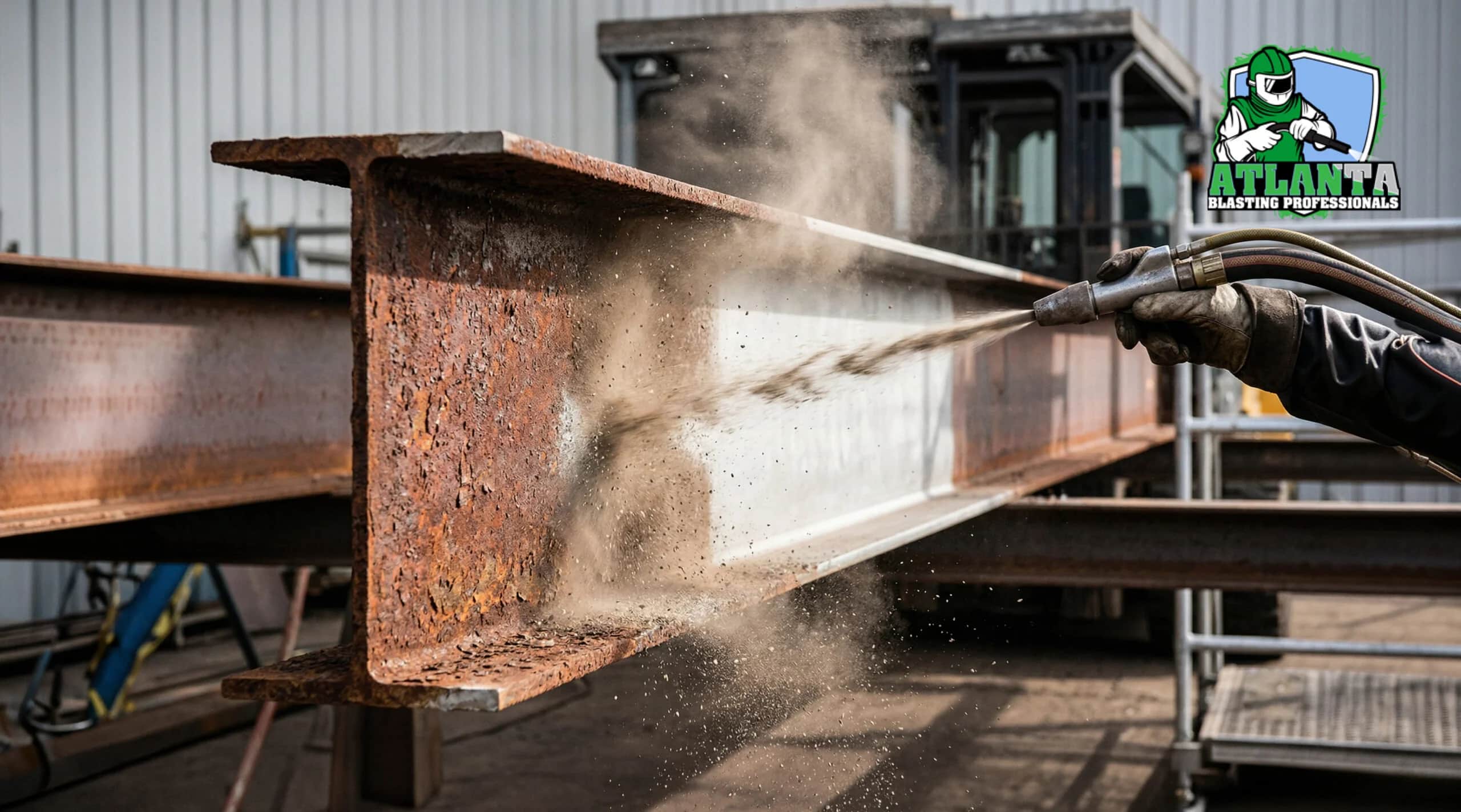
Blasting sand is a type of silica sand with hard and abrasive properties, used to clean metal, concrete, stone, and glass surfaces with high-pressure air. It effectively removes surface contaminants such as rust, old paint, oxide layers, dirt, and buildup.
Thanks to its hardness (Mohs 7), abrasiveness, low cost, and easy availability, blasting sand is preferred across a wide range of applications, from the shipbuilding industry to automotive restoration, and from steel construction to decorative glass production.
Important: Because the use of blasting sand carries a risk of silicosis, the use of a mask, protective clothing, and a ventilation system is mandatory in many countries, including Turkey.
Types of Blasting Sand
1. Silica-Based Blasting Sand
The most common and economical type. SiO₂ 95%+, Mohs hardness 7, 0.5-2 mm grain size, white to yellowish color.
2. Granulated Slag
A by-product of iron and steel plants. Economical, with high abrasive power and low dust generation.
3. Garnet Sand
Naturally red in color and ideal for sensitive surfaces. Low-dust, reusable 5-7 times, and environmentally friendly.
4. Glass Bead
Used for gentle cleaning and polishing. Preferred for delicate metal, aluminum, and stainless steel surfaces.
5. Corundum (Aluminum Oxide)
Very hard and long-lasting. Used on very hard surfaces and in applications requiring precise machining.
6. Soda (Sodium Bicarbonate)
Provides very gentle cleaning. Ideal for historical artifacts and delicate surfaces.
How to Choose Blasting Sand Grain Size?
| Grain Size | Abrasive Power | Surface Quality | Use |
|---|---|---|---|
| 0.1-0.3 mm (Fine) | Low | Very smooth | Glass decoration, precision work |
| 0.3-0.8 mm (Medium-Fine) | Medium | Smooth | Automotive, thin metal |
| 0.8-1.5 mm (Medium) | High | Standard | General surface cleaning |
| 1.5-3 mm (Coarse) | Very high | Coarse | Ships, heavy rust, concrete |
| 3-5 mm (Very Coarse) | Maximum | Very coarse | Concrete, stone, heavy oxide |
Rule of Thumb: The harder and dirtier the surface, the coarser the blasting sand should be.
Where Is Blasting Sand Used?
- Ship and shipyard industry — rust removal, paint stripping (1-2.5 mm)
- Steel construction — SA 2.5 standard before painting
- Automotive restoration — chassis, wheels, engine parts (0.3-0.8 mm)
- Glass decoration and frosted glass — patterns, logos (0.1-0.3 mm)
- Sculpture and stonework — marble and granite cleaning
- Bridge and industrial structure maintenance
- Concrete surface preparation — before epoxy
- Oil pipelines and tank maintenance
Blasting Sand Properties
- High hardness (Mohs 7+)
- High SiO₂ (95%+)
- Low moisture (below 0.5%)
- Uniform grain size
- Low dust content
- Angular grain structure
- Dryness (flowability)
Blasting Sand Prices (2026)
Prices vary depending on type, grain size, packaging, and delivery location.
General ranking (from cheapest to most expensive): granulated slag → silica-based → garnet → glass bead → corundum → soda.
For wholesale blasting sand prices, request a current quote from our contact page.
Points to Consider When Using Blasting Sand
Health and Safety
- Full-face mask / respirator
- Protective coverall, gloves, goggles
- Ventilation / enclosed cabin
- Dust collection system
- Annual health check-up
Equipment and Application
- Pressure: 6-8 bar
- Nozzle angle: 60-90 degrees
- Distance: 15-30 cm
- Clean and paint after application
Legal notice: Pure silica blasting sand is restricted for open-air use; as alternatives, granulated slag, garnet, or corundum should be preferred.
Frequently Asked Questions
How many times can blasting sand be reused?
Silica can be reused 1-3 times, granulated slag 1-2 times, garnet 5-7 times, and corundum 15-20 times.
Where can blasting sand be purchased?
It can be obtained wholesale or retail from silica sand producers and mining suppliers.
Which is the best blasting sand?
It depends on the application. For precision work garnet/glass bead, for economical general use silica/slag, and for heavy industry corundum is preferred.
Can blasting sand be used at home?
Not recommended without professional equipment. The health risk and equipment requirements are high.
How much blasting sand is needed for 1 m² of surface?
Depending on the surface condition and grain size, an average of 25-50 kg is used per 1 m².
Is blasting sand silica sand?
The most common blasting sand is silica-based. Different materials such as garnet, corundum, and glass beads are also used.
Conclusion
Blasting sand is the fundamental material for industrial surface preparation and cleaning work. Choosing the right type and grain size affects your work quality, production speed, and costs.
At Seyman Maden, we supply silica-based blasting sand wholesale from our facility in Tekirdağ to the entire Marmara region. We serve shipyards, steel construction, automotive, decorative glass, and many other sectors with suitable products. For products and price quotes tailored to your sector, get in touch with us.