 Türkçe
 English
 Deutsch
 Русский
 Español
 Français
 العربية
 فارسی
Short answer: The price per ton of silica sand is not a single number. Six factors determine it: fraction (grain size), purity, drying and processing, packaging, tonnage and delivery point. In some applications, documentation requirements also come into play. That is why two buyers can receive noticeably different quotes for "silica sand".
In this article we explain how each factor affects the price and which information you should share to get an accurate quote. We do not publish a price list, because the price of the same product changes with these factors.
6 Factors That Determine the Price
| Factor | Effect on price |
|---|---|
| Fraction | Narrow, precise ranges require more screening |
| Purity (SiO₂, Fe₂O₃) | High purity and low iron mean more selective raw material and more washing |
| Drying | Dry sand is an additional processing step |
| Packaging | 25 kg bags, Big Bags, silo trucks and bulk require different labour and materials |
| Tonnage and continuity | Large, regular purchases make production planning easier |
| Delivery point | Sand is heavy and bulky; transport is a decisive item in the total cost |
1. Fraction: Which Grain Size?
Silica sand as extracted from the quarry has a wide grain size distribution. To bring this distribution into the required range, the sand is screened. The narrower the required range, the more screening steps are needed and the less product from the same raw material falls into that range. That is why a general-purpose fraction, a specific AFS grade for foundry or a narrow mm range for filtration are not priced the same.
In foundry sand the fraction is defined by the AFS value; we publish the grades we produce with their measured values in our AFS chart. To read a sieve analysis report, see our guide.
2. Purity: SiO₂ and Fe₂O₃
Not every application needs the same purity. Standard purity is sufficient for construction, sandblasting and filtration, while glass, white products and some construction chemicals require high SiO₂ and low iron oxide (Fe₂O₃). High purity means more selective raw material and more washing, which is reflected in the price.
Asking for higher purity than you need creates unnecessary cost. We explain which level is sufficient in our SiO₂ level and Fe₂O₃ guides.
3. Processing: Washing, Drying and Screening
Washed sand and dried sand are different products. Applications such as construction chemicals, epoxy, foundry and precast require dry sand with low moisture. Drying is an additional, energy-consuming process carried out in fluidised bed dryers. Where moisture is not critical, washed but undried sand can be a more economical option.
4. Packaging
The same sand can be delivered in different packaging:
- 25 kg bags: for small quantities and manually handled applications; bagging labour and material are added to the price.
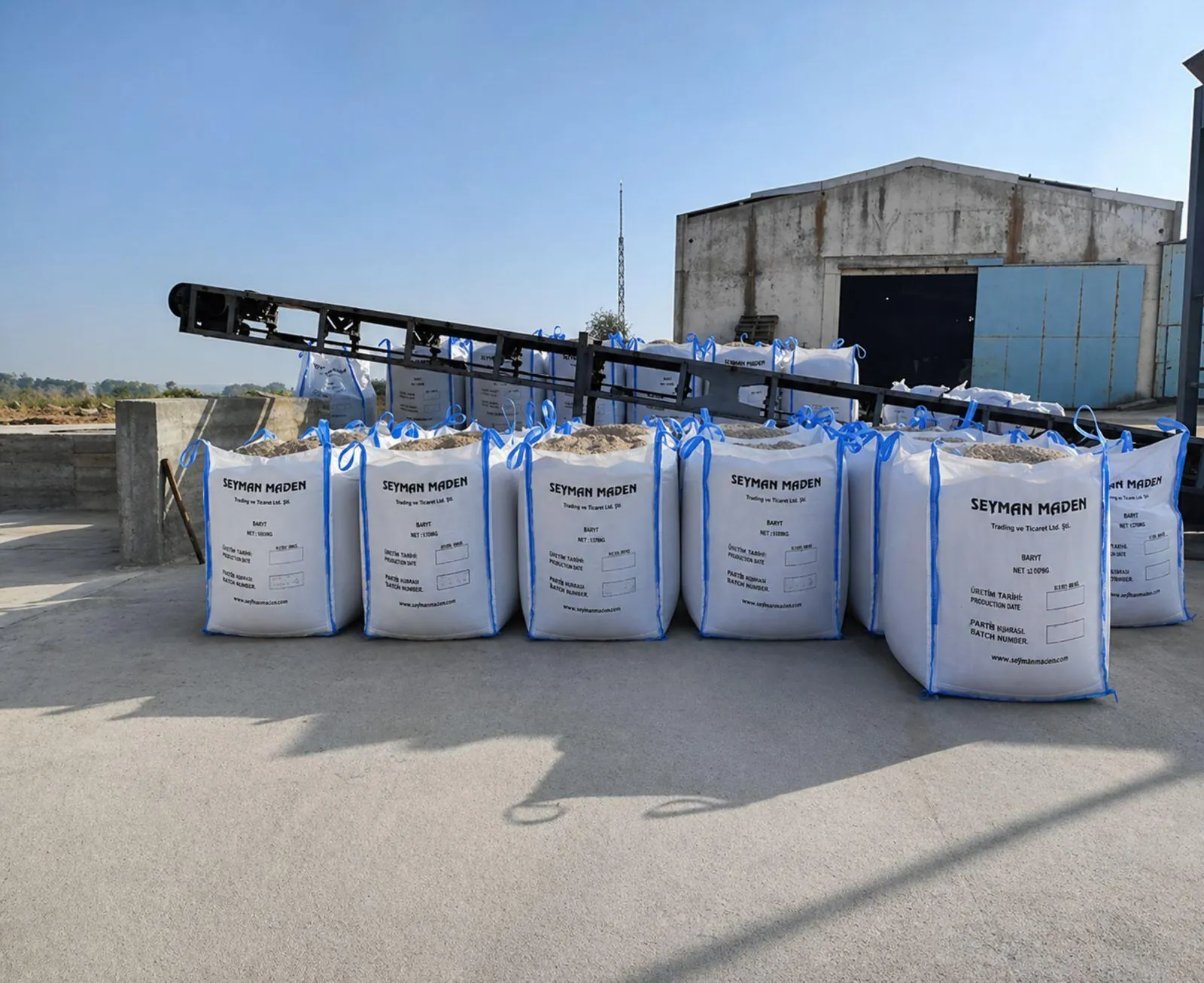
- Big Bag (1000-1500 kg): a common choice for forklift handling and dosing at the plant.
- Silo truck: bulk delivery of dry sand to plants that work with silos.
- Bulk (truck): the option without packaging cost for construction sites and high-tonnage jobs.
Packaging cost per ton decreases from small bags towards bulk.
5. Tonnage and Continuity
A one-off small purchase and a high-tonnage purchase repeated every month are not priced the same way. Regular purchases allow production and shipments to be planned in advance. That is why, when requesting a quote, it helps to state your monthly consumption as well as the total tonnage.
6. Delivery Point and Transport
Relative to its unit price, silica sand is a heavy and bulky material. Transport is therefore a decisive item in the total cost, and the delivery point directly affects the price. Delivery to construction sites and plants is possible; transport is calculated according to your delivery point.
Seyman Maden's plants are located in Ergene, Tekirdağ and Çatalca, Istanbul, and our quarry is in Kırklareli. For buyers in Thrace and Istanbul, the short transport distance is a tangible advantage in total cost. Details by region: Tekirdağ, Istanbul, Kırklareli.
Documentation Requirements
Filter materials for drinking water treatment must comply with TS EN 12904. Where a batch analysis report, sieve analysis or technical data sheet (TDS) is required, these documents should be discussed at the quotation stage.
What Information Should You Share for an Accurate Quote?
For a fast and realistic quote, the following information is enough:
- Product and application: what you will use the sand for (e.g. construction chemicals, filtration, foundry).
- Fraction: mm, micron or AFS range; if you are not sure, describing the application is enough.
- Tonnage: first order quantity and, if any, monthly consumption.
- Packaging: 25 kg, Big Bag, silo truck or bulk.
- Delivery province and district: to calculate transport.
- Documents needed: TS EN 12904, analysis report, etc.
If you are not sure about the right fraction, you can request a sample. You can send the details through the quote form.
Related Pages: